Source Modular European Style Conference Table for Boardrooms, Training Rooms, and Meeting Halls
Find 30 options for a Modular European Style Conference Table suitable for boardrooms, training institutions, and commercial offices. Compare models like W02 and GX-F27 with features including wire trays, steel bases, and customizable designs from Chinese manufacturers.
Key considerations
Products List


Meeting Table Meeting Room Wooden Conference Tables Meeting Desk Boardroom Table
$580.00 - $3000.00
MOQ: 1 Sets


Standard Size Long Conference Table, Meeting Room Table, Modular Conference Tables
$580.00 - $3000.00
MOQ: 1 Sets


Modular Office Folding Training Table Foldable Conference Desk Meeting Table Design
$150.00 - $550.00
MOQ: 5 Pieces


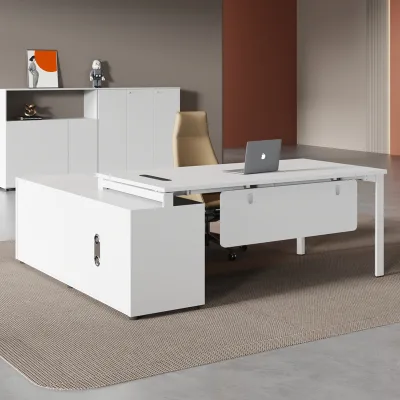


New Modern Mobile Office Desk Multi-Functional Storage Conference Commercial Meeting Table
$86.00 - $105.00
MOQ: 10 Pieces


Comprehensive Sourcing Guide
Strategic Sourcing Guide for Modular European Style Conference Tables
The global demand for flexible office environments has elevated the importance of modular conference furniture, particularly those adhering to European design aesthetics. This style is characterized by clean lines, functional minimalism, and the ability to reconfigure spaces to suit varying meeting dynamics. For procurement professionals, sourcing these items requires a disciplined approach that balances aesthetic requirements with rigorous technical and compliance verification. The following guide outlines the essential factors for evaluating suppliers and products in this category, ensuring that the final acquisition meets both operational needs and quality standards.
Technical Specifications and Material Composition
When evaluating modular European style conference tables, the primary technical differentiator lies in the material composition and structural integrity. The market offers a diverse range of materials, from solid wood to metal and composite panels. Buyers must verify the specific material attributes of the units under consideration, as these directly influence durability, acoustic performance, and aesthetic longevity.
In the current supply landscape, wood remains a dominant material choice, often appearing in panel styles or solid wood constructions. For instance, specific product lines are identified as utilizing wood in a panel configuration, while others specify solid wood for a more premium finish. Conversely, metal components, such as steel bases, are frequently employed to provide stability and a modern industrial contrast to wooden tops. The structural design often includes features like wires trays and plastic snakes to manage cabling, which is critical for maintaining the clean, uncluttered look associated with European design.
The modularity of these tables is defined by their ability to be assembled and disassembled efficiently. Many units are designed in a "KD" (Knock-Down) format, packed in multi-layer cartons with internal polyfoam protection to prevent transit damage. Some variants may utilize wooden packing for added security during long-haul shipping. The physical dimensions and configuration, such as double-size options or specific model identifiers like W02 or GX-F27, dictate the seating capacity and room layout. Buyers should note that while some models are fixed in height, others may offer adjustable features, though many standard conference tables remain unadjustable to ensure stability.
Compliance, Certification, and Safety Standards
Navigating the regulatory landscape is a critical component of the procurement process. While specific certification statuses can vary by manufacturer, buyers must insist on documentation that validates product safety and environmental compliance. The presence of recognized certifications, such as CCC (China Compulsory Certification) and ISO standards, serves as a baseline indicator of a supplier's commitment to quality management.
In the context of office furniture, ISO 9001 certification indicates that the manufacturer adheres to international quality management systems, ensuring consistent production processes. Similarly, ISO 14001 certification demonstrates a commitment to environmental management, which is increasingly important for corporations with sustainability goals. Buyers should verify that the specific products they intend to purchase carry these certifications, as the "Depend on size" or "Customized" standards often noted in product listings require active verification rather than assumption.
Furthermore, the "General Use" classification of these tables as commercial furniture implies they must meet specific fire safety and load-bearing standards. While specific test results are not universally standardized across all listings, the presence of a "Condition: New" status and adherence to design standards based on specific sizes suggests a baseline of safety. Procurement teams should request third-party test reports for fire resistance and structural load to ensure the furniture complies with local building codes in the destination market.
Cost Drivers and Pricing Structures
Understanding the cost drivers for modular European style conference tables is essential for budgeting and negotiation. The observed price range in the market spans from approximately $25 to $3,000, reflecting a vast disparity in material quality, design complexity, and brand positioning. Several factors influence where a specific unit falls within this spectrum.
Material selection is the most significant cost driver. Solid wood tables command a premium over panel wood or metal-composite alternatives due to the raw material costs and the labor-intensive finishing processes required. Similarly, customizations such as specific colors, unique sizes, or bespoke designs add to the unit cost. The "Design: Modern Office Workstation Furniture" or "Accept Customized Design" attributes often correlate with higher price points due to the engineering and tooling required.
Packaging and logistics also play a substantial role in the final landed cost. Products shipped in "Standard Packing" or "Box Packing" may have lower freight costs compared to those requiring "Wooden Packing" or specialized "by Sea" arrangements for large, heavy items. The "MOQ" (Minimum Order Quantity) is another critical financial factor. While some suppliers offer low MOQs starting at 1 piece, others require orders of 30 pieces or more. Higher MOQs often allow for better unit pricing, but they increase the initial capital outlay. Buyers must balance the need for inventory flexibility against the economies of scale offered by larger orders.
Typical Applications and Functional Requirements
Modular European style conference tables are designed for a variety of professional environments, with their primary application in commercial office settings. The "General Use" classification confirms their suitability for corporate boardrooms, training centers, and collaborative workspaces. Specific product attributes indicate that these tables are also appropriate for use in schools and training institutions, suggesting a versatility that extends beyond high-end corporate environments.
The functional requirements for these applications center on adaptability. The "Modular" nature allows organizations to reconfigure meeting spaces from small huddle rooms to large conference halls without replacing the furniture. Features like "Wires Tray" and "Plastic Snakes" are essential for modern offices where technology integration is paramount. The "Folded" or "Unfolded" states of the furniture also impact their utility; some units are designed to be folded for storage, while others are fixed in an unfolded state for permanent installation.
The "Style" of the furniture, whether categorized as "Modern," "American," or "Morden Office Fruniture," must align with the brand identity of the organization. A European style often implies a focus on functionality and understated elegance, which can enhance the professional image of a company. Buyers should ensure that the chosen design supports the intended workflow, whether it involves long-duration meetings, quick brainstorming sessions, or formal presentations.
Supplier Evaluation and Origin Verification
Selecting the right supplier is as important as selecting the right product. The supply chain for these items is heavily concentrated in specific regions, with "China" and "Guangdong" frequently cited as the origins of production. Guangdong, in particular, is a hub for furniture manufacturing, offering a dense ecosystem of suppliers, raw material providers, and logistics networks.
When evaluating suppliers, buyers should prioritize those who demonstrate transparency regarding their production capabilities. The availability of "Installation Guide" documentation is a strong indicator of a supplier's commitment to post-sales support. Additionally, the ability to provide samples is a crucial evaluation metric. Suppliers that "Support Sample" allow buyers to physically inspect the quality, finish, and assembly process before committing to a bulk order.
The "Customization" capabilities of a supplier are also a key differentiator. Suppliers that offer "Customized" designs or accept "Customized Design" requests provide greater flexibility for unique project requirements. However, buyers must verify that the supplier has the technical capacity to maintain quality during the customization process. The "Condition: New" status of the products should be confirmed, as refurbished or used items may not meet the rigorous standards expected for commercial office furniture.
Quality Control and Long-Term Procurement Considerations
Ensuring long-term value requires a robust quality control (QC) strategy. The "prod_packing" methods, such as "5 Layers Carton with Polyfoam Inside" or "Wooden Packing," are the first line of defense against damage during transit. However, QC must extend beyond packaging to the manufacturing process itself. Buyers should verify that the "prod_standard" is strictly adhered to, even when it is listed as "Depend on size" or "Customized."
Long-term procurement considerations include the durability of the finish and the stability of the joints. For wood products, the type of finish and the quality of the joinery determine the lifespan of the table. Metal bases, such as "Steel" options, should be checked for corrosion resistance and weld quality. The "Disassembly" feature is particularly valuable for long-term maintenance, allowing for easy replacement of damaged components without replacing the entire unit.
Sustainability is another growing consideration. The presence of ISO 14001 certification suggests that the supplier is mindful of environmental impact, but buyers should also inquire about the sourcing of raw materials and the recyclability of the packaging. Finally, the "Lead Time" and "MOQ" constraints must be factored into the procurement timeline. While specific lead times are not universally provided, the complexity of custom designs and the distance of the origin (China) suggest that buyers should plan for extended delivery windows and buffer stock to mitigate supply chain disruptions.
Summary of Key Procurement Factors
To facilitate a streamlined decision-making process, the following table summarizes the critical attributes buyers should verify when sourcing modular European style conference tables.
| Attribute Category | Key Verification Points | Typical Market Observation |
|---|---|---|
| Material | Solid Wood vs. Panel vs. Metal | Wood (Panel/Solid), Metal (Steel Base) |
| Design | Style, Modularity, Customization | Modern, American, Customized Design |
| Certification | ISO 9001, ISO 14001, CCC | CCC, ISO9001, ISO14001 (Verify per unit) |
| Packaging | Protection Level, Disassembly | KD, 5 Layers Carton, Wooden Packing |
| Origin | Manufacturing Location | China, Guangdong |
| MOQ | Minimum Order Quantity | 1 to 50 Pieces (varies by supplier) |
| Price Range | Unit Cost Estimation | $25 - $3,000 USD |
| Application | Intended Use Case | Commercial, School, Training Institution |
By adhering to these guidelines and maintaining a rigorous verification process, procurement professionals can secure high-quality modular conference tables that meet the demanding standards of modern European-style office environments. The focus on technical specifications, compliance, and supplier reliability ensures that the investment delivers both immediate functional value and long-term durability.
FAQs
What materials are used for modular conference tables?
Materials include wood in panel or solid wood styles and metal components like steel bases. Specific units may feature wires trays and plastic snakes for cable management, ensuring a clean modern office appearance.
Can I get custom designs for these conference tables?
Yes, customization is available with options for modern or American styles and specific model identifiers. Suppliers often accept customized designs, though standards may depend on the specific size and configuration chosen.
What certifications do these office furniture products hold?
Products may carry CCC, ISO9001, and ISO14001 certifications depending on the manufacturer. These standards indicate adherence to quality management and environmental protocols, though verification is required for specific units.
How are these tables packaged for shipping?
Packaging varies from KD 5-layer cartons with polyfoam to wooden packing or standard box packing. Some items are shipped by sea, ensuring protection during transit while allowing for disassembly upon arrival.
What is the minimum order quantity for these tables?
MOQ ranges from 1 to 50 pieces depending on the supplier and specific product model. Some listings require 30 pieces, while others support lower quantities, often with sample availability for evaluation.
Where are these modular tables manufactured?
Products originate primarily from China, with specific manufacturing hubs in Guangdong. This location supports a dense ecosystem of suppliers offering various styles and customization options for commercial and institutional use.
Are these tables suitable for schools and training centers?
Yes, they are designed for commercial furniture use including schools and training institutions. The modular nature allows for flexible configurations suitable for conference tables or multiple seating arrangements in educational settings.